
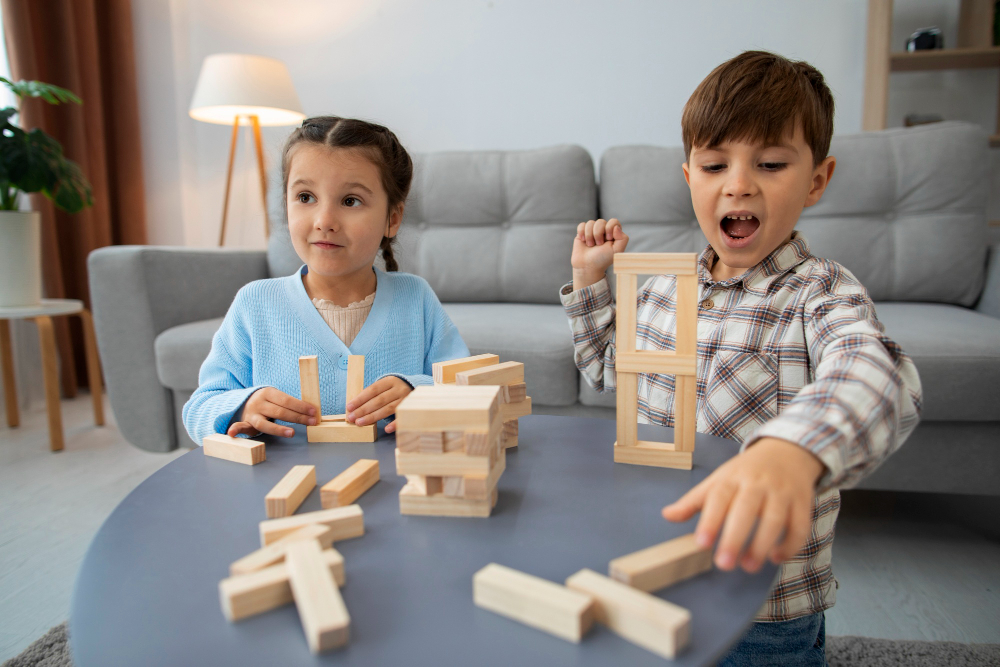
Introduction to Social Skills Development in Children
Social skills programs for kids help children learn how to interact with others. These programs focus on teaching children how to share, listen, and express themselves. Early support for child social development can make a big difference. For many parents, understanding these programs is the first step to improving kids’ social skills. According to the CDC, social skills are key for healthy growth and learning.
Importance of Social Skills for Kids’ Growth
Strong social skills help children build friendships and work well in groups. For example, kids with good social skills often feel more confident. They are also better at solving problems and handling stress. In addition, social skills support learning in school. The World Health Organization notes that these skills are linked to better mental health. Because of this, helping your child develop social skills is important for their future.
Common Challenges in Social Skills Development
Some children find it hard to make friends or join group activities. Others may struggle to read social cues, like facial expressions. Sometimes, kids have trouble sharing or taking turns. These challenges can lead to frustration or loneliness. However, early support can help. If you notice your child having trouble, you are not alone. Many families face similar issues during child social development.
Overview of Evidence-Based Programs for Social Skills Development
There are many programs designed to help children improve their social skills. These programs use proven methods to teach important behaviors. For example, some programs use role-playing to practice real-life situations. Others use games to teach sharing and teamwork. Here are some common types:
Many of these programs are supported by research in pediatric social skills support. The CDC and peer-reviewed journals recommend evidence-based approaches for best results.
How to Choose the Right Program for Your Child
Choosing the right program depends on your child’s needs. First, consider your child’s age and social challenges. Next, look for programs with trained staff and proven results. You may want to ask these questions:
Additionally, talk to your child’s teacher or doctor for advice. They can help you find trusted social skills programs for kids in your area.
Tips for Supporting Social Skills at Home
Parents and caregivers play a big role in child social development. While programs help, daily practice at home is key. Here are some tips:
With regular support, your child can gain confidence and improve their social skills.
Prevention of Social Difficulties
Early action can prevent many social challenges. For instance, teaching children about emotions helps them understand others. Also, setting clear rules for behavior gives children structure. If you notice small problems, address them early. This can stop bigger issues from developing. According to the CDC, early prevention leads to better outcomes in child social development.
When to Seek Professional Help
Sometimes, children need extra support. If your child often feels left out or struggles to make friends, consider talking to a specialist. Other signs include trouble understanding social cues or frequent conflicts with peers. In these cases, a pediatric specialist can offer guidance. They may suggest social skills programs for kids or other support. Early help can make a big difference in your child’s life.
Consult a specialist for personalized guidance on your child’s social skills development.