
Introduction
Cervical Cancer Awareness helps people understand the risks and ways to prevent this disease. Cervical cancer affects thousands of women each year. However, many cases can be prevented. The HPV vaccine is a powerful tool in this fight. It protects against the virus that causes most cervical cancers. Because of this, knowing about the HPV vaccine is important for everyone.
What Is Cervical Cancer?
Cervical cancer starts in the cells of the cervix. The cervix is the lower part of the uterus. It connects the uterus to the vagina. Most often, this cancer grows slowly. Early on, it may not cause symptoms. But, as it grows, it can cause problems like bleeding or pain. Regular screening and early treatment can help prevent serious illness.
How HPV Causes Cervical Cancer
HPV stands for human papillomavirus. It is a common virus. In fact, most people will get HPV at some point. There are many types of HPV. Some types can cause warts, while others can lead to cancer. When certain types of HPV infect the cervix, they can change the cells. Over time, these changes may turn into cancer. Because HPV spreads through skin-to-skin contact, it is easy to catch. But, not everyone with HPV will get cancer. Still, preventing HPV infection is the best way to lower your risk.
Why the HPV Vaccine Is Important
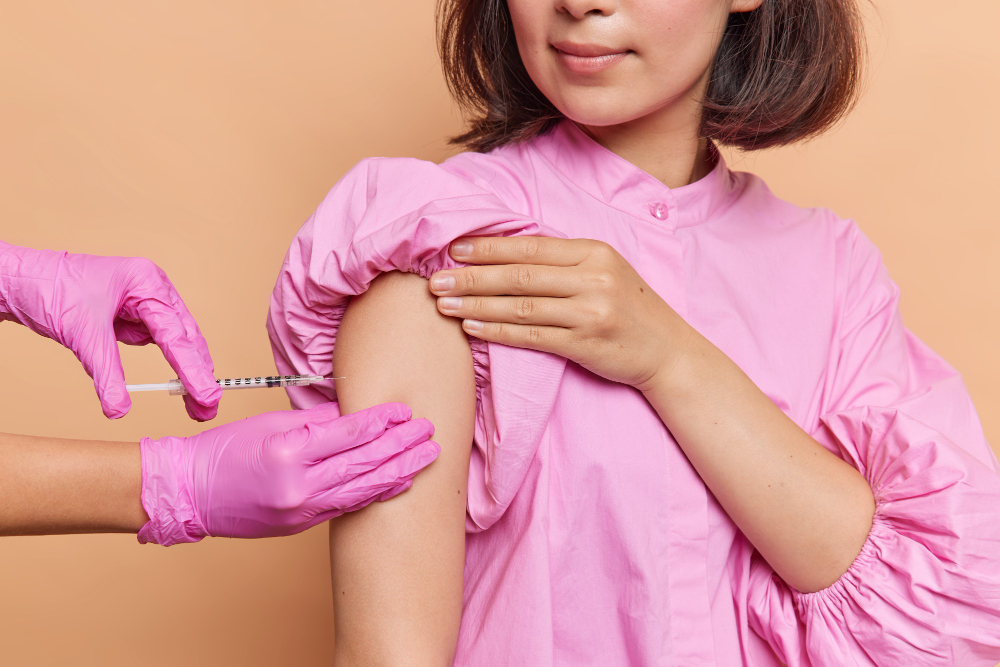
The HPV vaccine protects against the types of HPV that cause most cervical cancers. It also helps prevent other cancers linked to HPV. For example, it can lower the risk of throat and anal cancers. The vaccine is most effective when given before a person is exposed to HPV. That is why it is often given to children and teens. However, adults can benefit too. By getting vaccinated, you help protect yourself and others. In addition, widespread vaccination can reduce the number of cancer cases in the community.
Who Should Get the HPV Vaccine?
The Centers for Disease Control and Prevention (CDC) recommends the HPV vaccine for everyone. Ideally, children should get the vaccine at ages 11 or 12. However, it can be given as early as age 9. Teens and young adults up to age 26 should also get vaccinated if they missed it earlier. In some cases, adults up to age 45 may benefit. Your doctor can help decide what is best for you. In the United States, the vaccine is widely available. Because early protection works best, talk to your healthcare provider soon.
Safety and Effectiveness of the HPV Vaccine
The HPV vaccine is safe. It has been studied in thousands of people. Most side effects are mild. For example, you may have a sore arm or mild fever. Serious side effects are very rare. The vaccine is also very effective. Studies show it can prevent up to 90% of cervical cancers caused by HPV. In addition, it protects against other cancers and genital warts. The World Health Organization (WHO) and CDC both recommend the vaccine for cancer prevention.
Common Myths and Facts About the HPV Vaccine
Many people have questions about the HPV vaccine. However, not all information is correct. Let’s look at some common myths and the real facts:
Prevention Tips and Lifestyle Guidance
Besides the HPV vaccine, there are other ways to lower your risk of cervical cancer. For example, regular screening tests like Pap smears can find early changes in the cervix. Early treatment can stop cancer before it starts. In addition, healthy habits can help your body fight infections.
However, the HPV vaccine remains the best way to prevent most cervical cancers.
Conclusion
Cervical Cancer Awareness is vital for everyone. The HPV vaccine is a safe and effective way to prevent cervical cancer. Because early action saves lives, talk to your doctor about HPV vaccination. Consult your pediatrician or healthcare provider for personalized advice on HPV vaccination.