
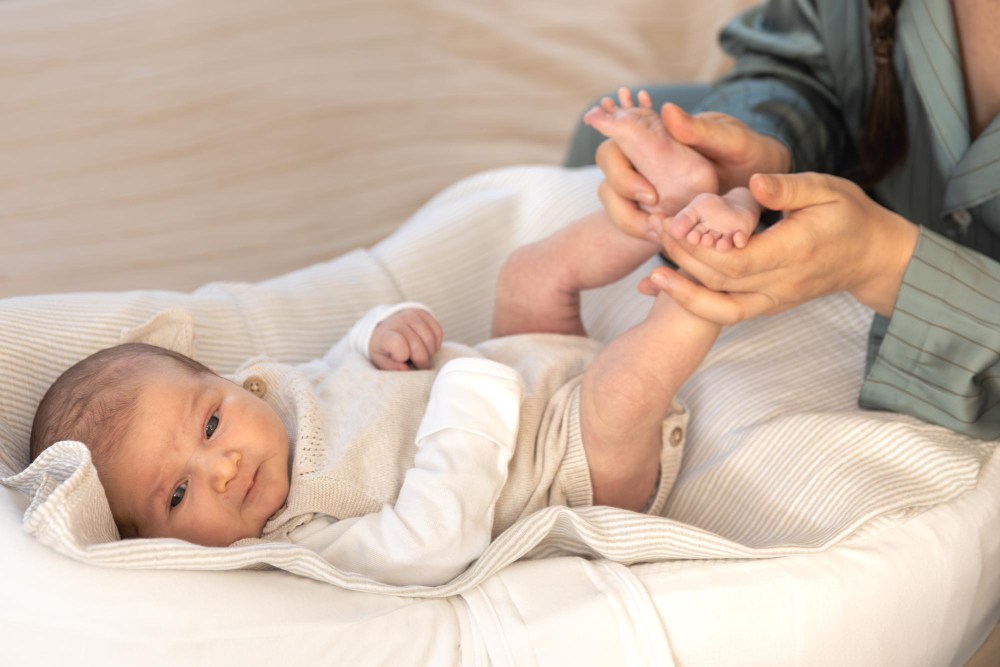
Introduction to Newborn Reflexes
Newborn reflexes are natural movements that babies make without thinking. These reflexes help babies adjust to life outside the womb. In fact, newborn reflexes show that a baby’s brain and nerves are working well. Because these movements are important, doctors check them soon after birth. Understanding newborn reflexes can help parents know what to expect and when to seek help.
Common Types of Newborn Reflexes
Babies are born with several reflexes. Each reflex has a special purpose. Below are some common types of newborn reflexes:
Signs and Symptoms of Normal vs. Abnormal Reflexes
Most newborn reflexes are strong and even on both sides of the body. However, sometimes reflexes may seem weak or missing. Here are signs to watch for:
Usually, these signs mean you should talk to your pediatrician. Early action can help if there is a problem.
How Pediatricians Assess Newborn Reflexes
Pediatricians check newborn reflexes during regular check-ups. First, they watch how your baby moves. Then, they gently test each reflex. For example, they may touch your baby’s cheek to see the rooting reflex. If a reflex seems weak or missing, the doctor may do more tests. Sometimes, they may refer you to a specialist. Early checks help find problems quickly.
What Parents Should Expect and When to Seek Medical Advice
Most newborn reflexes are normal and fade as your baby grows. Still, you should watch for changes. If you notice any of these, call your doctor:
Because every baby is different, it is always best to ask your pediatrician if you have concerns.
Tips for Supporting Healthy Development
Parents can help their baby’s growth in simple ways. For example, gentle play and tummy time help babies build strength. Here are some tips:
These actions support healthy brain and body growth.
Prevention and Early Intervention
While you cannot prevent all problems with newborn reflexes, early action helps. If you notice anything unusual, talk to your doctor right away. Early therapy can help babies who need extra support. Because regular check-ups are important, always keep your baby’s appointments.
Conclusion
Newborn reflexes are a key part of your baby’s early life. They show that your baby’s brain and nerves are working well. However, if you notice anything unusual, do not wait. Consult your pediatrician for personalized guidance on your baby’s development.