Introduction
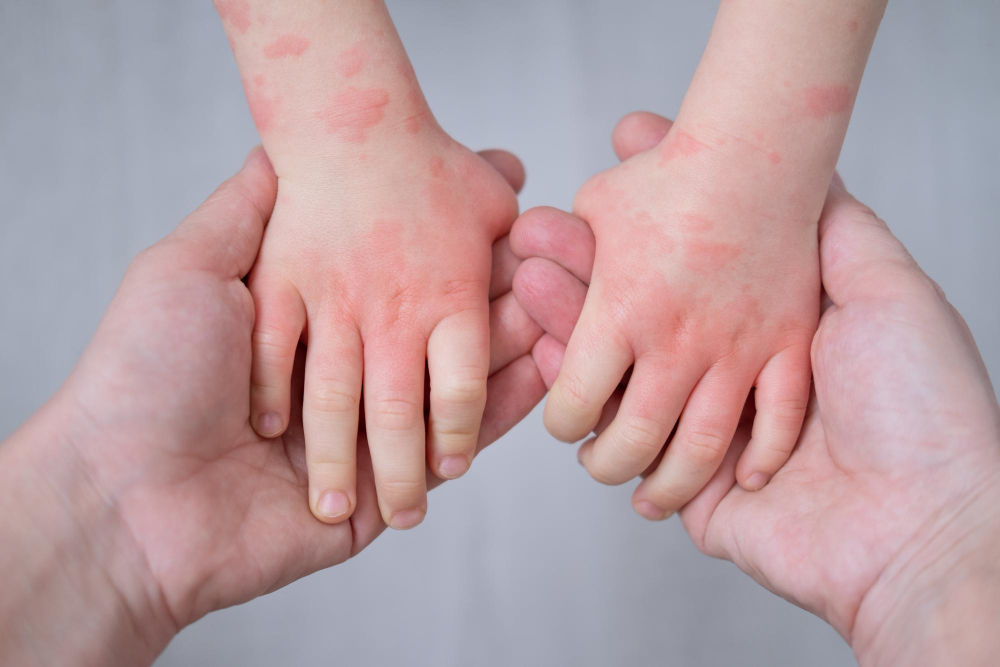
Pediatric dermatitis is a common skin problem in children. It causes red, itchy, or swollen skin. Many children get dermatitis at some point. Because it can affect daily life, it is important for parents to know the signs. Early care can help children feel better. In this blog, you will learn about pediatric dermatitis, its symptoms, causes, diagnosis, and treatment. You will also find tips for home care and prevention. If you live in a city or rural area, the advice here can help you understand childhood skin rash causes and what to do next.
Symptoms
Dermatitis symptoms in children can look different for each child. However, some signs are common. Knowing these can help you spot the problem early. For example, you may notice:
Sometimes, symptoms get worse at night. Because children may scratch, skin can become sore or infected. If you notice these signs, it is wise to watch your child closely.
Causes and Risk Factors
Pediatric dermatitis has many causes. Some are more common than others. For instance, the most frequent type is atopic dermatitis, also called eczema. Other types include contact dermatitis and seborrheic dermatitis. Here are some common causes and risk factors:
Because every child is different, triggers can vary. It helps to keep track of what makes your child’s skin worse.
Diagnosis Methods
Doctors use several ways to diagnose pediatric dermatitis. First, they will ask about your child’s symptoms and health history. Next, they will look at the skin closely. Sometimes, they may do tests to rule out other problems. For example:
Most of the time, diagnosis is based on how the skin looks and the child’s history. However, extra tests help when the cause is not clear.
Treatment Options
Treatment for dermatitis in kids depends on the type and severity. Early care can stop symptoms from getting worse. Common treatments include:
Doctors may suggest other treatments if symptoms are severe. Because each child is unique, always follow your doctor’s advice.
Lifestyle and Home Care Tips
Good home care can make a big difference. Here are some tips to help manage pediatric dermatitis:
Because small changes can help, try to make these habits part of your daily routine.
Prevention Strategies
While not all cases can be prevented, some steps lower the risk. For instance, you can:
Because prevention is easier than treatment, these steps can help keep your child’s skin healthy.
When to See a Doctor
Sometimes, home care is not enough. You should see a doctor if:
Because early treatment can prevent problems, do not wait if you are worried. The Centers for Disease Control and Prevention (CDC) and the World Health Organization (WHO) recommend seeking medical advice for severe or lasting skin problems.
Consult a pediatrician for personalized advice on dermatitis in children.